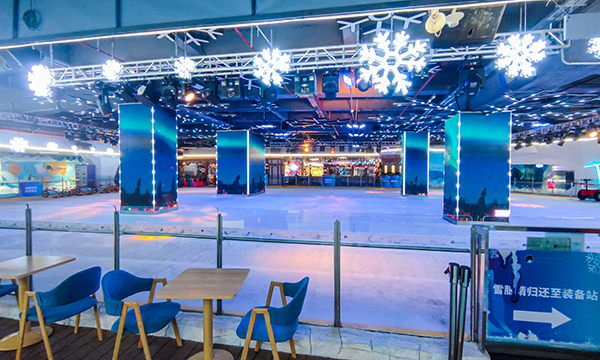

Any rink owner will tell you: summer is when the venue turns into dead weight. It's 30-something degrees outside — you'd think that'd be peak season, but walk-in traffic is sparse, even thinner than in winter. Rent, electricity, labor — none of it drops. The ice still has to stay frozen. The worst part: you can't just switch off the refrigeration unit. Once you stop, restarting the ice sheet takes days and a fat power bill.
But I've watched a handful of rinks run full sessions through summer — pulled from what I've seen and the case studies I keep running into. The gap isn't luck, it's operating model. Here are three directions I think actually pay off.
Light summer foot traffic is basically a law. Parents worry about sunburn, kids have summer homework, families head to cooler spots on weekends. But one segment peaks in summer: study tours, summer camps, institutional bookings.
When school's out, training companies, study-tour operators, and interest classes all scramble for the "summer slot." Ice sports hit a rare sweet spot for parents — cool, safe, professional, photo-ready. Package a half-day program: venue + coach + protective gear + cold drinks. Run 20-30 kids per session, two or three sessions a day on weekends. That alone covers the lost walk-in revenue. The key is locking in pricing and bookings in May or June — by July, the institutions have already filled their calendars.
This is the cheapest physical switch for the off-season. Real-ice traffic drops in summer, but you don't have to leave the whole venue empty. Convert part of the area, or off-peak hours, into a roller-skating format. The cost is way lower — no refrigeration, the power bill drops a chunk, and you pick up a totally different customer: people who can't skate real ice, people who don't want to be cold, parents with kids who just want a quick play session.
Plenty of rinks find the real-ice section half-dead in summer while roller skating is packed. Why? Roller skating has a low barrier, feels comfortable, and converts walk-ins fast. Real ice holds the professional, flagship image. Roller skating does the volume work. Two legs beat limping through summer on one.
Empty daytime doesn't mean empty nights. A summer night session at an ice rink is actually a "micro-vacation" option for young people in big cities — cool, photogenic, good for hanging out. Add lighting in August, play some music, roll out a few limited cold drinks, package the late-night slot as its own product. The per-customer spend goes up and so does the social-media chatter, and you avoid the daytime heat.
Then there's corporate booking and team building. An ice rink is a "novelty" project for many companies. Summer team building doesn't have to mean sweating in the sun outdoors — a rink is naturally cool, group-friendly, and photo-ready. Reach out to HR, union reps, and sports communities during the off-season and pitch a "summer rink team-building package." Two private bookings on a weekend replace several days of walk-in traffic. This work doesn't happen by accident — it happens because you go out and pitch in the slow months.
It's the real root of off-season anxiety. So whenever I talk to a client about summer operations, the first thing I say is: don't kill the ice to save on the power bill. The money you save by shutting down the ice doesn't come close to covering the time cost of re-freezing, the lost venue time, or the regulars who drift away when they show up and the rink's closed. The real math is how to use the ice more — not how to skip the ice.
The off-season isn't the rink's enemy. It's the divider between rinks that can run a venue and rinks that can't. When walk-ins drop, go after organized groups. When real ice cools off, let roller skating pick up the floor. When the day is empty, dig out the night crowd and the white-collar hours. The ice is already frozen — the job is to use every hour of it.
Beijing Yangsheng Ice & Snow Technology Co., Ltd. | Full-service ice and snow venue design, refrigeration system construction, and turnkey project delivery (yssnow.com)