
A property manager asking for “a Christmas snow setup” can receive a quote for a machine built for a ski slope. It may be a serious piece of equipment, but it is the wrong answer for a six-story atrium: excessive noise, the wrong snow, and a budget consumed before the display is right.
The purchasing mistake is usually in the name. A snow maker produces dense, skiable piste snow. A snow effect machine produces a visual snowfall. Before comparing quotations through the snow and ice equipment range, define which result your venue actually needs.

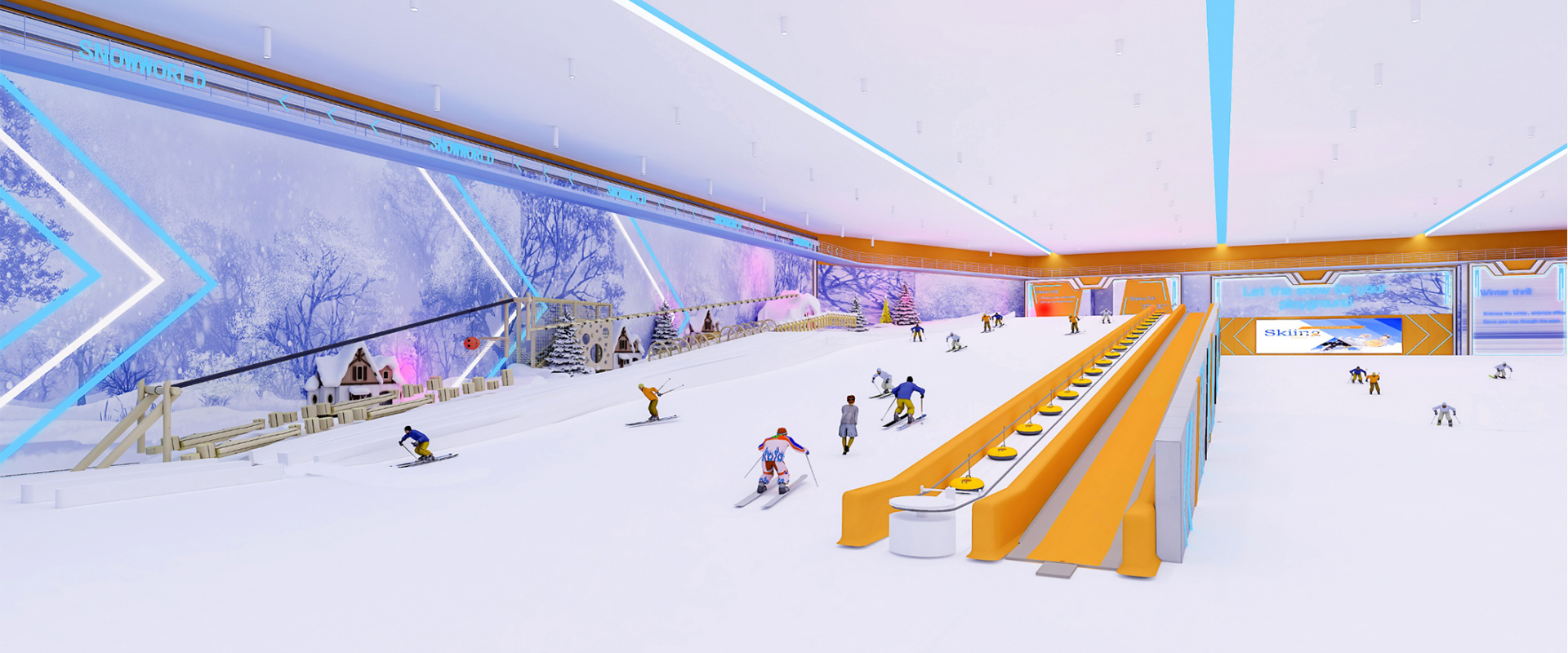
A snow maker is a ski-slope tool. It builds coarse, dense snow that can be packed hard enough to ski on, using a large motor and generating substantial noise. Pricing starts at 100,000+ RMB. That specification has a purpose on a piste; it does not make the machine suitable for a mall decoration.
A snow effect machine is a visual prop. It releases 1–3 mm flakes from above so visitors see snowfall, not a surface they can ski on. The simple engineering brief is: snow makers do work; snow effect machines set the scene.
Choose a snow maker when the required result is ski piste snow.
Choose a snow effect machine for holiday decor, entrances, stages, themed hospitality, or educational demonstrations.
Reject a quote that only compares purchase price. Noise, controls, mounting and consumables decide whether the installation works in your venue.
Standard snow effect machines cover 20–100 ㎡ per unit, but that range is not a layout promise. Mounting height and ceiling clearance change the result. A higher mount can widen coverage, while the longer fall gives more flakes time to melt in mid-air.
In a 6–10 m mall atrium, plan on roughly 50–80 ㎡ from one machine. For an event area above 200 ㎡, a practical arrangement is 3–4 units run in rotation. Alternating cycles provide more even coverage than leaving one machine blasting continuously. Treat these as starting points, then place units against the actual floor area and ceiling height.
| Tier | Price per unit | Configuration | Key feature |
|---|---|---|---|
| Basic | 80,000–150,000 RMB/unit | Single unit | Standalone control |
| Mid-range | 120,000–250,000 RMB/unit | Multi-unit linkable | Variable snow output |
| High-end custom | 250,000–400,000 RMB/unit | Low-noise | Integrated control system |
Price gaps come from three engineering choices: standalone versus networked multi-unit control, standard versus low-noise operation, and floor mounting versus suspended mounting with structural hardware. Do not compare bare unit prices. Brackets and controls may be excluded, making an apparently cheap quote more expensive once the full installation is added.
Ask one question before evaluating any number: does this price include installation? Then request an itemized scope so every supplier is answering the same brief.
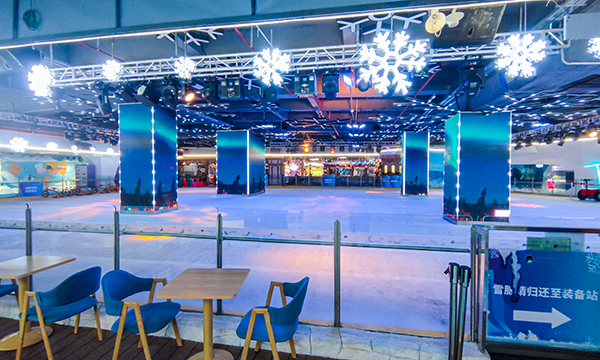
Holiday mall decor is the largest use segment. Christmas, New Year and Spring Festival scenes give families a reason to stop, gather and take photographs. The objective is a reliable visual moment in the atrium, not snow depth underfoot.
Ice-and-snow themed restaurants, hotpot venues, ice cream shops and themed bars use the same effect to strengthen their entrance. A snowfall corridor can carry that experience from the mall entrance to the main display: suspend machines along both sides so visitors meet falling snow before they see the feature. For a wider attraction brief, coordinate the layout with your indoor ice and snow solutions rather than treating it as a last-minute prop.
Annual meetings, product launches and weddings can pair snowfall with stage lighting. With the right snow fluid formula, the water-soluble flakes melt on contact without leaving water stains. Science museums and ice-and-snow education exhibits also use the machines to demonstrate how snow forms.
One warning applies across these settings: some snow melts before it reaches the floor. Provide proper drainage or absorbent mats, and treat the floor against slipping. A beautiful entrance is not acceptable if it creates a wet safety hazard.
Start with noise. In a busy mall atrium, anything over 55 dB is likely to bother customers. Good machines run at 45–50 dB and are effectively unobtrusive in that setting. Ask for the noise basis in the quote rather than accepting “silent” as a substitute for a number.
Next confirm the flake effect. The standard flake size is 1–3 mm. If the creative brief calls for a more realistic large-flake appearance, use a variable-frequency model that allows flake-size adjustment. Also decide whether output must vary during the event; that requirement belongs in the control specification, not in a verbal assumption.
Mounting is an early property-management issue. Suspended machines look cleaner and preserve floor space, but they require a load-bearing assessment and suitable structural hardware. Floor mounting is more flexible and avoids that suspension work, but it consumes usable space. Confirm access, positions and approval before fixing the design.
Finally, budget the consumable. A snow effect machine does not create snow from nothing; it uses a special fluid similar to bubble solution. A 10 L bucket provides about 4–6 hours of operation and costs 80–150 RMB per bucket. Calculate stock from the planned operating cycles, and have enough on site before the event.
Noise stated in dB, with 45–50 dB as the good-machine range.
Flake size, output adjustment and standalone or networked control.
Floor or suspended mounting, including brackets and structural assessment.
Drainage, absorbent mats, anti-slip treatment and snow fluid stock.
For a broader venue brief, review Yangsheng’s ice and snow project cases, then return to your own dimensions. Send the supplier the event area, ceiling height, preferred visitor route and mounting preference. That information supports a unit count and layout; a generic package does not.
Not as a general rule. Standard coverage is 20–100 ㎡ per unit, with roughly 50–80 ㎡ in a 6–10 m atrium. Mounting height, clearance and melting during the fall affect the result. Areas over 200 ㎡ call for 3–4 units in rotation under the practical approach described above.
No. A bare unit may exclude mounting brackets, the control system or installation. Compare the complete scope, including standalone or multi-unit control, noise level and floor versus suspended mounting. Also include snow fluid: each 10 L bucket costs 80–150 RMB and runs for about 4–6 hours.
Do not treat the two products as interchangeable. A snow maker builds coarse, dense snow for skiing and starts at 100,000+ RMB. A snow effect machine releases 1–3 mm visual flakes for atmosphere. The right choice follows the required result, not a shared product label.
If you have venue dimensions and a concept, send them to Yangsheng Ice and Snow. With fifteen years in the ice and snow equipment business, the team can work out unit count, placement and mounting from your actual ceiling height and floor area, then define controls, installation and consumables. Get a recommendation for the snowfall effect you need—not a ski-slope machine your atrium does not.