
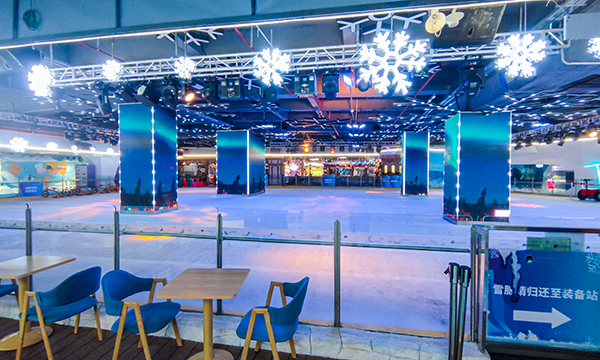
A snow room no longer needs to be a Nordic-scale ice hotel. A modular unit can start at 5 m², hold real snow through every season, and fit into a mall, scenic spot, or other indoor venue. That changes the buying question from whether snow is possible to whether the room is engineered and priced for your operating model.
Treat it as a sealed snow experience product, not a shortened ski slope. Industrial refrigeration holds the interior at around -5°C, while factory prefabrication and integrated controls reduce on-site work. The commercial opportunity is attractive, but size, climate, visitor use, and budget scope still need a disciplined review.

The useful distinction is integration. Yangsheng’s modular snow room system combines a high-grade insulated envelope, integrated refrigeration, and a high-efficiency snowmaking unit in one factory-prefabricated package. Custom footprints run from 5 to 100 m², with 5 m² as the smallest standard unit. Modular assembly supports installation in malls, scenic spots, and other indoor venues.
Snow quality is not a cosmetic detail. The room produces 100% real snow, fine and powdery, with a density of 250–350 kg/m³. Visitors can pack a snowball, feel real powder, and hear it crunch underfoot. PLC automation regulates temperature and humidity and manages snowmaking cycles. Remote monitoring lets operators check pressures and system status from a phone, supporting near-zero on-site staffing without a dedicated refrigeration technician continuously attending the equipment.
The design target is around -5°C throughout the year, 365 days a year, with no weather dependency. For hot, humid conditions, Yangsheng strengthens dehumidification and adds refrigeration redundancy. The engineering objective is stable production of clean, powdery snow while keeping long-term energy and maintenance demands in check.
Environmental duty: Confirm whether the configuration is intended for hot, humid outside air and how dehumidification is handled.
Refrigeration resilience: Check whether refrigeration redundancy is included for those conditions.
Control scope: Verify automatic control of temperature, humidity, and snowmaking cycles, together with remote system monitoring.
Snow specification: Specify real, fine, powdery snow at 250–350 kg/m³, not plastic pellets or foam fluff.
These points turn a broad promise of year-round snow into items you can compare between proposals and carry into operator handover. They also keep attention on the complete environmental system rather than the thermostat alone.

A snow room should be planned around its visitor use, not floor area alone. Whether you are adding to an indoor ice and snow park or building a standalone attraction, test these five operating models against your venue.
Indoor ice and snow parks. Add the room to an existing ice rink or snow park as a dedicated snow photo zone or play area. It completes an ice-and-snow visit, and 5–20 m² is enough for a quality snow attraction.
Malls and scenic spots. An atrium or scenic plaza installation can serve as a winter, off-season, or holiday-themed attraction. A 15 m² unit can handle more than 100 visitors a day in peak season. Treat that as operating capacity, not a guarantee of ticket sales or payback.
STEM education. Schools, science museums, and education camps can use the room as an ice and snow science classroom. Children in hot climates can touch real snow in summer and learn how artificial snow works, combining education with direct experience.
Social media check-ins. A white, dreamlike snow space with suitable lighting is inherently photogenic. A strong post can create exposure beyond the room itself; for creative parks, that online value may outweigh the door revenue.
Snow room dining. Hot pot, barbecue, or high-end afternoon tea inside the snow space creates a memorable contrast between hot food and -5°C surroundings. The model targets repeat visits, stronger ticket size, and a premium dining experience.
Use these figures for early budget screening rather than as a fixed quotation. Each is a reference price including equipment.
| Size | Reference price including equipment | Best fit |
|---|---|---|
| 5–10 m² standard | RMB 200,000–450,000 and up | Photo opportunities and small installations |
| 15–30 m² mid-size | RMB 500,000–750,000 and up | Mall atriums and education |
| 50–100 m² large custom | RMB 800,000 and up | Ice and snow parks and snow room restaurants |
Final pricing depends on actual footprint, insulation specification, snow output, and whether special exhaust is required. The price covers refrigeration, the snowmaking unit, and the insulated structure. Site civil works and shipping are not included. Keep those exclusions visible in your capital budget, and compare proposals on the same scope so the equipment figure is not mistaken for total project cost.

Modular speed matters only when the scope is clear. Yangsheng prebuilds in the factory and assembles on site; a small snow room can go from delivery to opening in as little as one week. Before using that schedule in your plan, align the actual footprint, insulation specification, snow output, and any special exhaust requirement with the supplier.
Define the visitor product at the same time. A photo installation, science classroom, and snow room restaurant are different operating briefs. Reviewing an indoor snow house experience can help frame the attraction, but your own venue, audience, and intended use should drive the final specification.
Delivery capability also deserves scrutiny. Beijing Yangsheng Ice and Snow has 15 years in ice and snow and refrigeration engineering. Its turnkey scope covers overall venue design, core refrigeration system research and development, snowmaking unit manufacturing, and insulation structure construction. The in-house technology stack avoids middleman markup. Its snow rooms have been deployed across a range of venues and tested through real-world operation; review the project cases as part of your initial assessment.
The smallest standard unit is 5 m², within a custom footprint range of 5–100 m². A small room can move from delivery to opening in as little as one week under the factory-prefabricated, site-assembled model. Confirm the programme for your specific site before committing to an opening date.
No. The reference price includes refrigeration, the snowmaking unit, and the insulated structure, but excludes site civil works and shipping. Final pricing also varies with footprint, insulation specification, snow output, and any special exhaust requirement.
Yes. The system is designed to hold real snow year-round at around -5°C, 365 days a year. For hot, humid conditions, Yangsheng uses strengthened dehumidification and refrigeration redundancy, while PLC automation manages temperature, humidity, and snowmaking cycles. Remote monitoring supports system checks without continuous on-site attendance.
For a site-specific snow room budget, give Yangsheng Ice and Snow your intended footprint, venue type, visitor use, insulation requirements, expected snow output, and any special exhaust needs. The team can scope design, refrigeration, snowmaking, and insulated construction as one turnkey package. Call 13691511384 or email info@yssnow.com to discuss your site.