
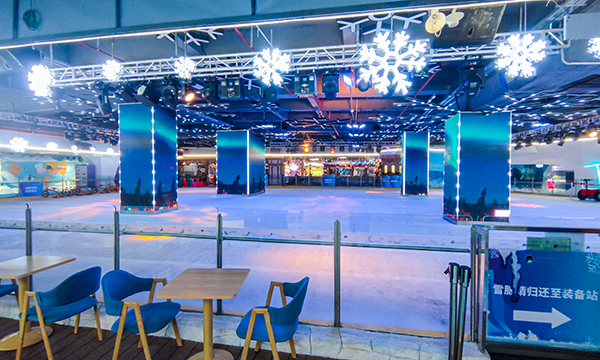
Summer can make an ice rink feel like dead weight. Walk-in traffic thins out, sometimes below winter levels, while rent, electricity and labor continue. The sheet still has to stay frozen, and the refrigeration unit is not something you can casually switch off until demand returns.
The useful question is not how to escape the ice, but how to sell more of its hours. The three plays below come from observed rink operations and recurring case-study patterns: organized groups, a second skating format, and night or private bookings. Each addresses a different gap in the summer schedule.

Light summer foot traffic is not a problem you can simply promote your way out of. Parents worry about sunburn, children have summer homework, and families often choose cooler weekend destinations. Organized demand behaves differently. Study tours, summer camps and institutional bookings peak when school is out, while training companies, study-tour operators and interest classes compete for a summer slot.
Ice sports give those buyers an unusual combination: a cool setting, a professional activity and strong photo opportunities, with safety part of the appeal. Package the offer instead of renting an empty sheet. A workable half-day format combines the venue, a coach, protective gear and cold drinks. Run 20-30 children per session, with two or three sessions a day on weekends. In the source operating model, that organized volume can replace the walk-in revenue lost in summer.
Define one half-day product that includes venue access, coaching, protective gear and cold drinks.
Set capacity at 20-30 children per session rather than relying on uncertain walk-ins.
Offer two or three weekend sessions per day, keeping the real-ice experience professional and photo-ready.
Approach training companies, study-tour operators, interest classes and other institutional buyers.
Timing matters as much as the package. Lock pricing and bookings in May or June; by July, institutions have generally filled their calendars. Sell the complete session, not a vague invitation to visit. If the venue needs layout or system work before launching new programming, review Yangsheng's indoor ice and snow solutions alongside the operating plan.
One rink can run two formats without abandoning its flagship attraction. Real-ice traffic may fall in summer, but that does not require the whole venue to sit empty. Convert part of the area, or use off-peak hours, for roller skating. This is the cheapest physical switch in the source model because the roller format does not need refrigeration, reducing the power burden while adding a different reason to visit.
The audiences do not have to be identical. Roller skating suits people who cannot skate on real ice, visitors who do not want to be cold, and parents looking for a quick play session with their children. Its low barrier and comfortable setting can convert walk-ins quickly. Real ice retains the professional, flagship image; roller skating does the volume work. Treat them as complementary products rather than allowing the quieter format to dictate the future of the whole rink.

Empty daytime hours do not prove that every hour is worthless. For young people in large cities, a summer night at an ice rink can work as a micro-vacation: cool, photogenic and suitable for meeting friends. Give the late slot its own identity rather than leaving it as an unsold extension of the day. In August, add lighting, play music, introduce a few limited cold drinks and package the late-night period as a separate product.
The source model links that packaging with higher spending per customer and more social-media discussion, while avoiding daytime heat. Keep the offer specific: a defined night session, a photogenic atmosphere and refreshments built into the concept. Present it as a reason to visit after the normal daytime program has faded.
Private bookings attack another gap. Many companies see an ice rink as a novel team-building setting. It is naturally cool, works for groups and is photo-ready, offering an alternative to outdoor summer activities in the sun. During the slow months, approach human-resources teams, union representatives and sports communities with a summer rink team-building package. Two private bookings on a weekend can replace several days of walk-in traffic in the source example, but that result depends on going out and pitching.
Use your own session details and venue photographs, and draw on relevant ice and snow project cases when discussing the wider venue proposition. Give each organizer a complete reason to reserve the rink, not merely an announcement that ice time is available.
The refrigeration plant is the root of much off-season anxiety, but shutting it down is the wrong economy. Once the ice is lost, restarting the sheet takes days and brings a substantial power bill. The apparent saving does not adequately cover re-freezing time, venue time lost while the rink is unavailable, or regular customers who drift away after finding it closed.
From an engineering and operating perspective, protect the asset you have already paid to keep frozen. Do not kill the ice simply to chase a lower summer electricity bill. Fill more hours with institutions, roller-skating demand, night visitors and private hire. The real calculation is how to use the ice more, not how to skip it.
Keep operating and project decisions connected. When assessing the venue and its ice rink system for a broader year-round program, remember that Yangsheng's stated scope covers ice and snow venue design, refrigeration system construction and turnkey project delivery.
The following operating summary keeps the source numbers and timing attached to the play they belong to:
| Play | Practical setup | Source-based operating point |
|---|---|---|
| Organized groups | Half-day venue, coach, protective gear and cold drinks | 20-30 children per session; two or three sessions per weekend day |
| Booking window | Pricing and bookings secured in May or June | By July, institutional calendars are generally full |
| Real ice plus roller skating | Convert part of the venue or use off-peak hours | Roller format needs no refrigeration and broadens the audience |
| Night and private bookings | Lighting, music and limited cold drinks; outreach to companies | Two weekend private bookings can replace several days of walk-in traffic |

No. Stopping the plant means losing the sheet, then spending days and a substantial amount of power to restart it. It also costs venue time and risks losing regulars. Keep the ice and work on utilization instead.
Secure pricing and bookings in May or June. By July, institutional buyers have generally filled their summer calendars, so waiting misses the organized booking window.
No. Convert only part of the venue or selected off-peak hours. Real ice keeps the professional, flagship role, while roller skating handles broader volume and serves visitors who want a lower-barrier, less cold experience.
Summer is the divider between simply owning a rink and operating one. The ice is already frozen; the job is to use every useful hour. To align programming with venue design, refrigeration construction or a turnkey project, contact Yangsheng Ice and Snow and discuss your rink's off-season operating plan with the project team.